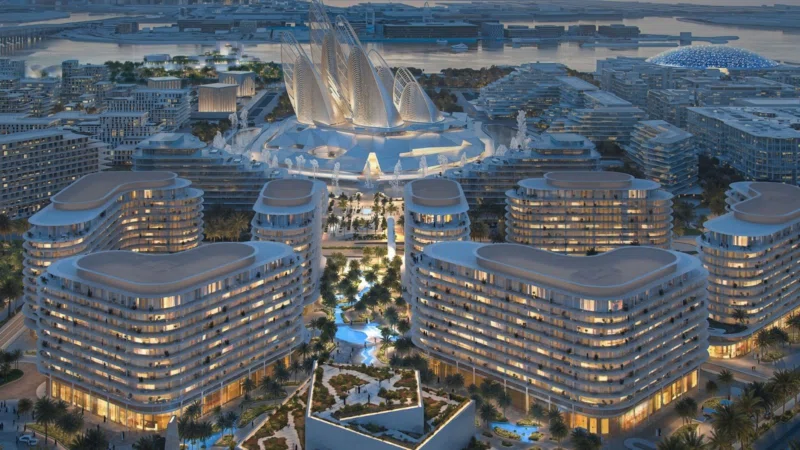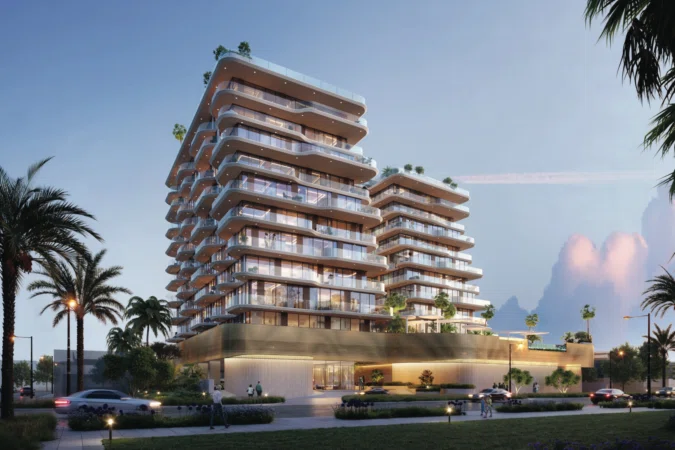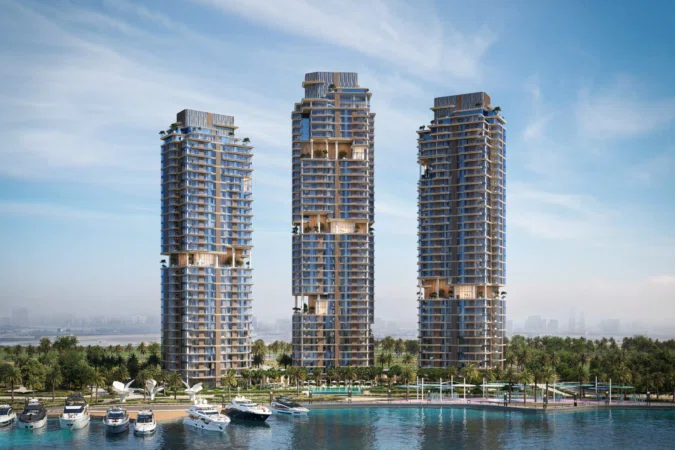
Object typeResidential
Completion dateQ3 2029
DeveloperSobha Realty
Total areafrom 50 m² to 540 m²
Down Payment20%
While some continue to talk about a “correction,” we know that real growth is determined by fundamental factors. The Dubai real estate market, especially the new construction segment, has now entered a phase of mature, controlled movement, backed by concrete strategies and figures.
By all accounts, 2026 should be a time of opportunity. We have compiled a guide for realtors on the key drivers that will shape sustainable demand.
Dubai is no longer just a “transit point” for expats. It is a new permanent home for wealthy individuals and highly skilled professionals.
According to UN World Urbanization Prospects, Dubai's population was 20,000 in 1950 and is currently estimated at 3.1 million. In the last year alone, the emirate's population has grown by 1.42% (about 44,000 people).
These figures are not just statistics, but direct mathematical confirmation of the fundamental strength of the market. For realtors, the numbers work as a concrete tool. They mean that behind every off-plan project there is not an abstract hope for growth, but a precise calculation: tens of thousands of new residents guarantee pressure on the rental market and prices.
The large-scale Golden Visa program also affects population growth. Simplifying the residency application process and expanding the list of categories of Golden Visa recipients (e.g., nurses, teachers and educators, digital content creators, etc.) has led to an increase in the number of individuals wishing to move to Dubai. We should not forget about the zero income tax rate (no taxes are payable on salaries or other income) – this factor also attracts a huge number of people to the country.
Through RERA and DLD, the Dubai government does not simply regulate but actively “builds” the future value of real estate, making investor risks manageable and predictable.
In 2021 (March-April), Dubai launched its seventh large-scale urban development plan for 2040. Such long-term strategies are a tradition for the emirate, dating back to the 1960s. The priorities of the new plan include the reconstruction of the Deira district, the development of the city's “green framework,” and significant improvements in transport accessibility. Buying a new build in the areas designated in the plan is a direct bet on future value growth thanks to government investment. The expansion of the Dubai Metro and new logistics hubs directly increase the liquidity and attractiveness of new builds in remote areas.
One of Dubai's key competitive advantages is the 100% protection of buyer funds through the escrow account system. For the customer, this means zero risk of losing their deposit, making investing in new construction safer than in many “developed” cities and countries.
The Dubai new-build market offers convenient payment systems that are not available in most countries around the world. This is the main tool for attracting investors.
Dubai developers often offer a post-handover payment plan, whereby the buyer pays part of the cost (usually 20-50%) before receiving the keys, and the remaining amount is paid after the property is handed over in interest-free installments.
According to the Numbeo.com database, the average cost per square meter in the city center ranges from $5,500 to $10,600. This price range is due to the focus on the most liquid segments: properties in central areas or popular tourist areas. It is these locations that demonstrate consistently high demand, which ensures maximum profitability from both long-term rentals and further resale.
The new-build market is no longer solely dependent on external investors. Local residents and citizens are actively participating in the redistribution of capital.
Standards are rising: leading developers (Emaar, DAMAC, Sobha, etc.) are betting on green certificates (LEED, BREEAM), full-cycle smart homes, and wellness concepts. This is what new residents are willing to pay for. The trend is not toward ordinary residential complexes, but rather gated communities with private beaches, clubhouses, coworking areas, and personalized service.
Residents who bought real estate 5-7 years ago are now refinancing their apartments, which have increased in value, and investing in new premium-class buildings, creating a sustainable internal investment cycle.
It's time to work smarter, not harder. Your expertise will now be needed to match the right growth driver to each client. And new buildings remain the “gold standard” for investment in Dubai in 2026, offering the best balance between capital growth potential and financial flexibility.