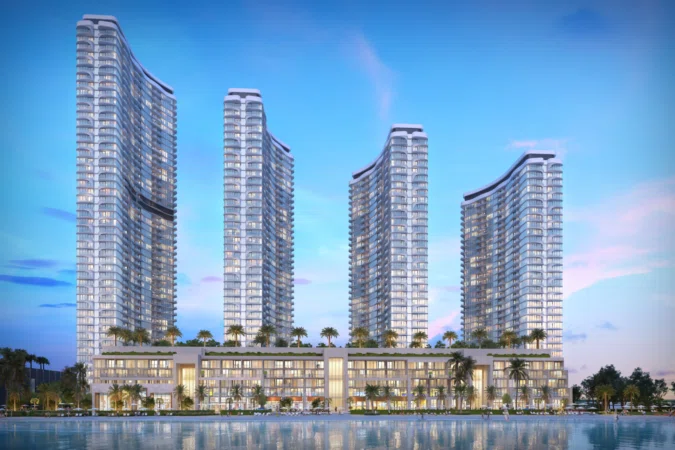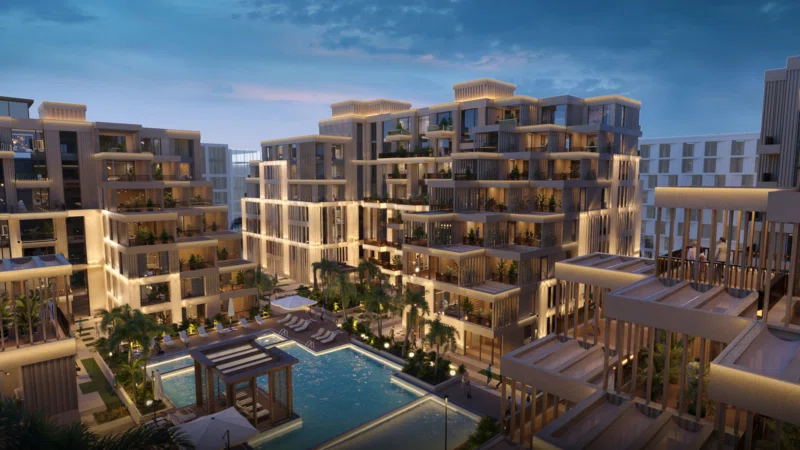
Object typeResidential
Completion dateQ4 2027
DeveloperQUBE Development
Total areafrom 41 m² to 146 m²
Down Payment15%

First-time buyers and renters often rely on a real estate agent's expertise not only to find the perfect home, but also to ensure the security of the transaction. One of the most common problems they encounter is fraudulent listings.
Your job is not only to find them a good property option, but also to teach them how to distinguish between fake and real offers.
You should immediately be wary of an apartment in Dubai Marina or a villa on Palm Jumeirah priced 30-50% below market value. Fraudsters prey on greed and the desire to save money. They often create the illusion of a “unique opportunity” to get you to act quickly without thinking twice.
What to do? Always check the average market prices for similar properties in the area. If the offer seems too good to be true, it is most likely a scam.
You are told that the property will be “gone” today and asked to transfer a deposit to reserve a viewing date. Remember, in the UAE, no reputable owner or agent will ask for money before you have personally seen the property and signed an official contract. Any payment before this point is 100% fraud.
What to do? Never, under any circumstances, transfer money before physically viewing the property or viewing it in real time via video with an agent.
Does the ad only use stock images, photos from another property, blurry pictures, or only specify the area without the building and apartment number? This is often an attempt to hide the fact that the property does not exist or is in terrible condition. The scammer will come up with excuses as to why they cannot show you the apartment right now.
What to do? Insist on a full viewing. If it is a rental, ask for a real-time video tour.
You are told that the owner is in Europe or Asia and has authorized their agent to complete the transaction remotely. This is a classic scam. Real owners in Dubai always have a manager or licensed agency that represents their interests locally and can arrange a full viewing.
What to do? Work only with agents who are physically located in the UAE, have a RERA license, and are willing to meet with you in person.
The seller offers to complete the transaction “simply,” without a contract or the involvement of a licensed agent. Remember that any legal real estate transaction in the UAE is strictly regulated. The contract and other official documents are your protection against potential problems. Refusing them means that the transaction will not be registered and you will have no rights.
What to do? Insist on full compliance with official procedures. This is not formal bureaucracy, but your real security.
You are told that “there are already 5 other interested parties,” “the price will go up tomorrow,” or “the owner will change his mind” if you don't give an answer within an hour. This is a psychological trick to make you turn off your critical thinking and make a hasty decision.
What to do? Keep your cool. There are always other options in the real estate market. “Healthy” deals don't require rushing.
Every professional real estate agent in Dubai must have a license issued by the RERA government agency, so specialists are happy to confirm their legal status as real estate agents.
What to do? Always ask the agent to provide their license number. Do not work with those who cannot provide it for any reason.
Educating clients is an integral part of your job. By taking the initiative and talking about the risks, you position yourself as an expert and a reliable partner.