Seasons in the Dubai real estate market
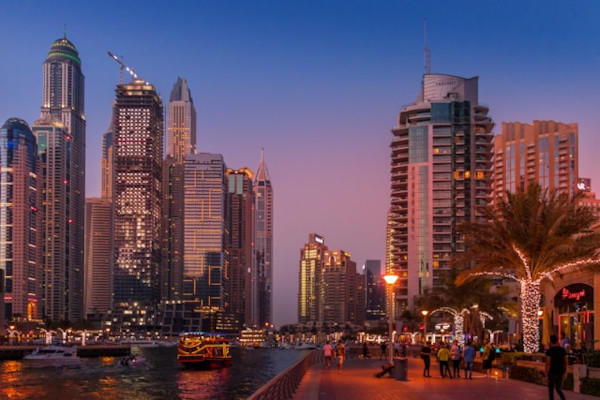
The Dubai real estate market operates according to its own rules, and seasonality is one of the key factors that can affect both rental and purchase prices. Understanding these cycles often becomes your main advantage, allowing you to provide clients with more than just information, but strategic advice.
Seasonal cycles: the general picture
The weather and calendar of events in Dubai shape two distinct seasons.
"High season" (October-April). The city is at its peak. The weather is perfect, various festivals are held, and tourists and expats with new contracts arrive. The market comes alive, but prices are usually at their highest.
"Low season" (June-August). The summer heat makes its mark. Many residents leave for other countries, activity slows down, and prices drop. This is a time of opportunity for those who are ready to act quickly and decisively.
Let's now take a look at how this works for renting and buying.
Renting
October through April brings heavenly weather to Dubai, and with it comes the peak rental season. The city fills up with tourists and expats with new work visas. This is the landlord's market. Prices reach their annual peak, and landlords feel confident: they often insist on payment for a year in advance and rarely make concessions.
The advice for your tenant client during this period is simple: start your search well in advance, be prepared to make a quick decision, and pay a deposit. Bargaining is almost useless.
For landlords, this is the golden time to list a property and sign a long-term contract on the most favorable terms.
From June to August, the picture changes dramatically. The heat in Dubai acts as a natural regulator. Many residents leave, the market quietens down and turns into a field of opportunities for tenants. Prices drop significantly, and the motivation of owners of vacant apartments increases. Something that does not happen in winter appears: real bargaining. You can ask to lower the price, include utilities in the bill, or make cosmetic repairs. This is the perfect time for families who want to enroll their children in school by September to move.
Your task as an agent is to explain to the client that their bargaining power is currently at its peak.
For the landlord, there is only one strategy: it is better to rent at a small discount than to keep the apartment empty for months.
May and September can be called the off-season, a time of smooth transition. In May, prices begin to creep down after the winter peak, and in September, they rise just as smoothly in anticipation of the new season. There is no rush here, but there is time for calm viewings and detailed negotiations. Late August and September stand apart: in areas known for their good schools, this is the peak of demand, which is not affected by the general summer lull in the market.
Buying
When buying an apartment in Dubai, seasonality plays a different, more subtle role. Decisions are made more slowly here, with finances and long-term plans taking precedence over the urgency of moving in. But it is still not worth ignoring the seasonal factor.
The summer months can be a strategic window of opportunity for buyers. Overall market activity declines, and there are fewer potential competitors for interesting properties. Sellers who list their properties in the heat of summer are often more motivated. They may be investors who are dissatisfied with the return on their investment or residents who are leaving the country. This does not mean that prices are falling everywhere, but the chance of negotiating favorable terms and conducting a leisurely transaction is significantly higher.
The period from October to April, on the contrary, is characterized by high activity. There are many people in the city, including potential buyers. This can be a good time to present your property to the widest possible audience.
The main conclusion for buyers is that you should not blindly follow the rental calendar. If you find the perfect option in the summer, don't put off buying just because it's the low season. Instead, use this phase of the market to negotiate. Your goal is not to guess the right month, but to find the best value for money.
What to keep in mind: tips for professionals
- Schools are a separate story. Demand for rentals in areas with popular educational institutions follows its own calendar, peaking in August.
- Business activity slows down during Ramadan. Show respect for cultural differences and plan meetings in advance.
- Teach clients to calculate the overall benefit. For tenants: a contract signed in the summer at a low rate may turn out to be more profitable than a “winter” contract in two years. For landlords: a 10-month lease with income is better than 4 months of searching for the “perfect” tenant.
Conclusion
Your expertise in seasonality is not just about understanding that summer is cheaper. It is the ability to explain to the client the benefits of a long-term strategy. When you can explain why it is better to rent now and when it is more profitable to rent, you move from being an intermediary to someone who clients return to again and again and recommend to their friends.